Charting Biometric Verification's Quiet Role in Unlocking Tailored Slot Selections and Escalating Reward Tiers Within Smartphone-Based Gaming Ecosystems
Written by Carlo Long · Nov 19, 2026
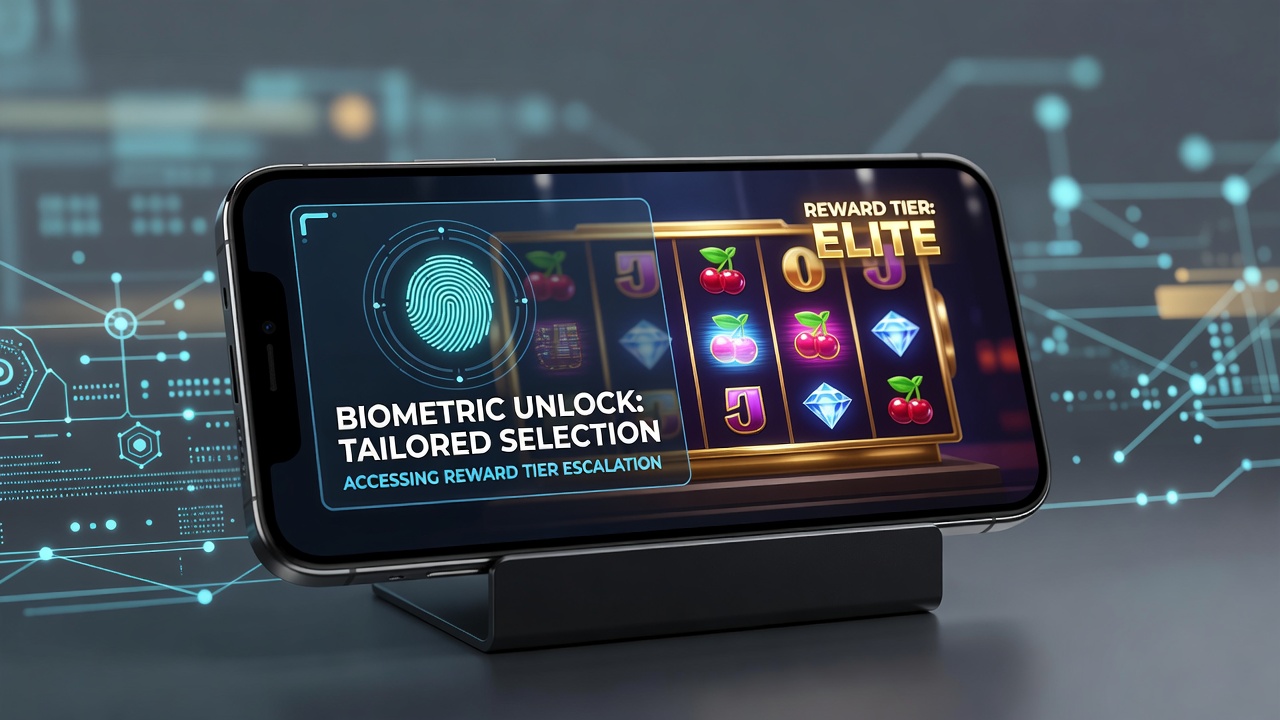
Charting Biometric Verification's Quiet Role in Unlocking Tailored Slot Selections and Escalating Reward Tiers Within Smartphone-Based Gaming Ecosystems
Biometric verification systems have integrated fingerprint scanning, facial recognition, and voice authentication into smartphone-based gaming platforms, and these technologies support secure user access while enabling platforms to adjust slot game offerings according to individual play patterns, data from industry reports shows that adoption rates climbed steadily through 2025 into November 2026 when several major operators expanded their mobile verification protocols across multiple regions.
Operators use these verification methods to confirm player identities at login stages, and once authenticated the systems pull historical data to suggest slot selections that match previous spin frequencies or bet sizes, researchers from academic institutions note that such personalization occurs without additional manual input from users because the biometric match triggers predefined algorithms tied to account profiles.
Integration Patterns Across Mobile Ecosystems
Smartphone gaming applications incorporate biometric checks during account creation and at periodic intervals, and this approach reduces reliance on passwords while maintaining compliance with regional regulatory standards, figures from gaming oversight bodies in Australia reveal that platforms employing these methods reported lower account recovery requests compared to traditional verification alone, and similar patterns appear in data compiled by North American state regulators.
Verification occurs through device-native sensors, and successful matches allow immediate transitions into customized game lobbies where slot themes align with user preferences recorded over prior sessions, observers note that this process operates in the background so players encounter tailored selections without separate navigation steps.
Connections to Reward Tier Progression
Escalation through reward tiers often depends on consistent verified activity, and biometric systems track session lengths along with wager volumes to calculate eligibility points automatically, studies conducted by European research centers indicate that verified accounts advance through tier levels at higher rates than unverified ones because the data feeds directly into loyalty tracking modules.
Platforms adjust bonus structures based on these verified metrics, and higher tiers unlock access to exclusive slot variants or multiplier features, data compiled through 2026 shows that operators in multiple jurisdictions recorded increased tier upgrade volumes following biometric rollout phases.
Security and Data Flow Mechanisms
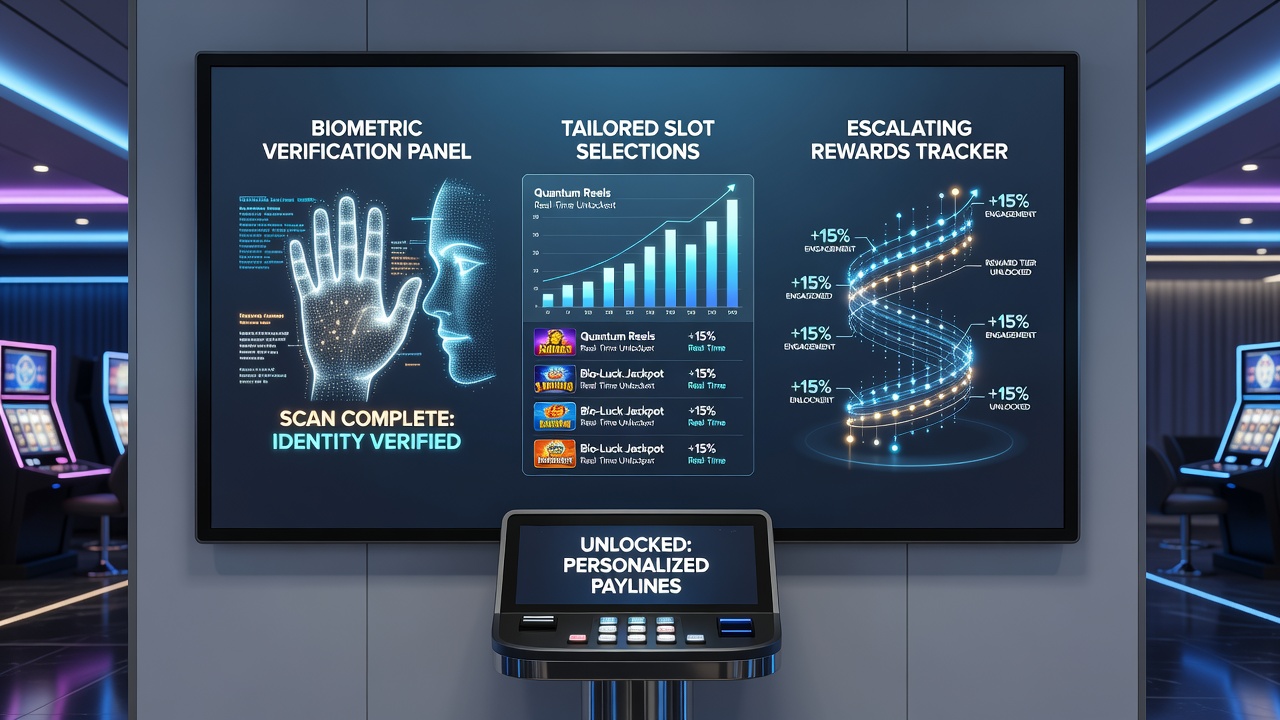
Biometric templates store locally on devices or in encrypted cloud segments, and this setup prevents transmission of raw biometric images during routine checks, regulatory frameworks in Canada and parts of Asia require operators to maintain separate data silos for verification records and gameplay analytics, and compliance audits conducted in late 2026 confirmed adherence across sampled platforms.
Once verification completes the system links activity logs to reward calculations without exposing personal identifiers, and this separation supports both personalization and tier advancement simultaneously, industry associations report that such architectures help platforms scale operations while addressing privacy requirements.
Regional Adoption Trends Through Late 2026
Platforms in the Asia-Pacific region expanded biometric options ahead of other markets, and November 2026 updates from several operators included enhanced facial recognition accuracy for diverse user demographics, government statistics from Singapore's gaming oversight entity documented a measurable uptick in verified mobile sessions during the same period.
North American operators followed with similar integrations focused on tiered reward delivery, and European platforms emphasized cross-border data handling standards that align with biometric verification protocols, these developments occurred alongside broader smartphone hardware improvements that support faster sensor responses.
Operational Examples in Practice
One major mobile gaming provider implemented biometric gates at the start of each session and observed that players reached higher reward tiers more frequently because verified data streams enabled precise tracking of slot engagement metrics, another case involved a platform that adjusted slot recommendations after biometric confirmation and recorded shifts in user retention figures according to internal analytics shared with research partners.
These examples illustrate how verification functions as an enabler rather than a standalone feature, and the quiet integration allows platforms to refine offerings continuously without disrupting gameplay flow.
Conclusion
Biometric verification continues to support tailored slot selections and reward tier escalation by providing reliable identity confirmation that feeds into personalization engines, and ongoing developments through November 2026 and beyond reflect steady expansion across smartphone gaming ecosystems, data from regulatory and academic sources underscores the technical linkages that make these processes function at scale.