How Interface Personalization in Wireless Gaming Apps Steers Progression from Zero-Risk Entries to Premium Table Experiences Amid Diverse Transaction Options
Written by Wendy Long · Nov 5, 2026
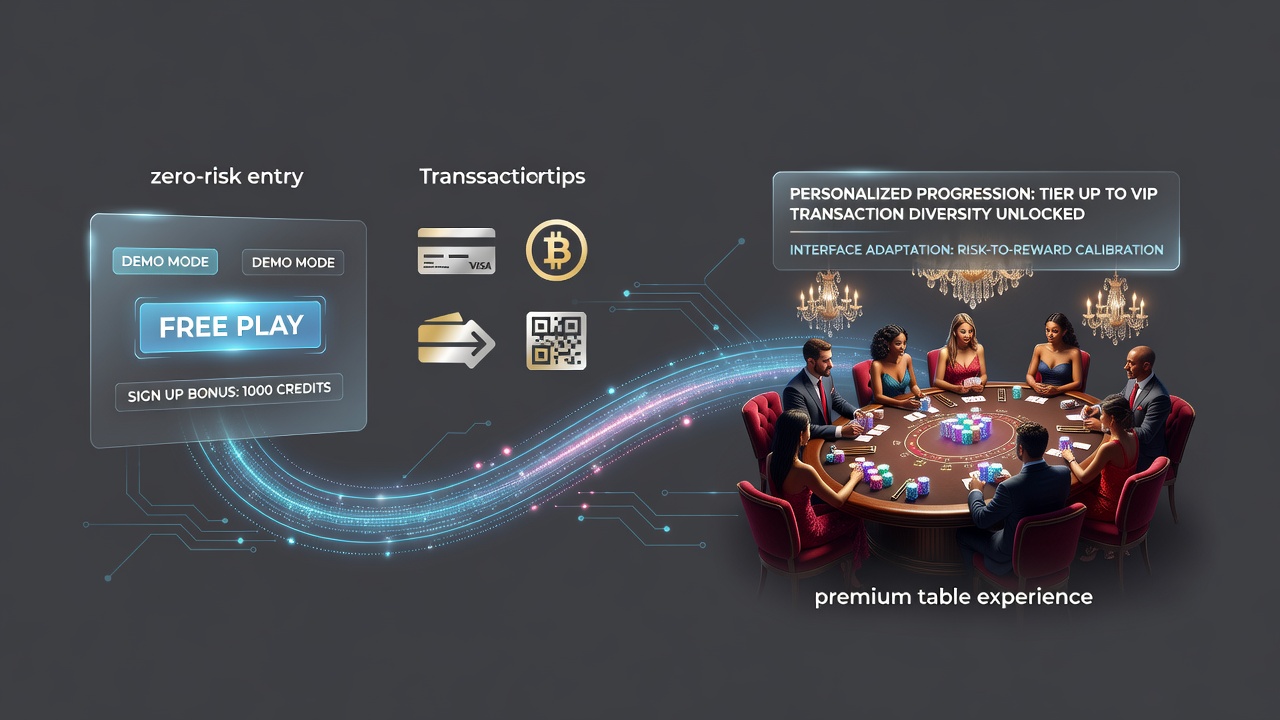
How Interface Personalization in Wireless Gaming Apps Steers Progression from Zero-Risk Entries to Premium Table Experiences Amid Diverse Transaction Options
Wireless gaming apps have incorporated interface personalization features that adjust layouts, recommendations, and prompts based on individual user behavior patterns, and these adjustments create pathways that begin with zero-risk entry points before guiding participants toward higher-stakes table environments. Data from mobile gaming platforms indicates that algorithms track session length, preferred game types, and initial deposit sizes to tailor visual elements such as color schemes, button placements, and suggested activities, while diverse transaction methods including digital wallets, bank transfers, and cryptocurrency options support seamless movement through these stages.
Mechanics of Personalization in Mobile Interfaces
Personalization systems in wireless apps collect data on user interactions from the first launch onward, and they apply machine learning models to reorder menus, highlight specific game categories, and adjust notification frequencies accordingly. Researchers at institutions such as the University of Nevada, Las Vegas have documented how these systems prioritize low-commitment options like demo modes or no-deposit promotions during early sessions, which in turn increases the likelihood of repeated engagement before any financial commitment occurs. Observers note that the placement of transaction selectors often appears alongside personalized game carousels, allowing users to select payment methods that align with their demonstrated preferences without disrupting the flow from free play to paid experiences.
Transition from Zero-Risk Entries Through Adaptive Prompts
Zero-risk entry mechanisms such as free spins or trial credits appear prominently on initial screens, yet personalization engines modify their visibility based on completion rates and subsequent activity levels. When users complete these entry-level activities, interfaces shift to display progression indicators like loyalty meters or tier previews that incorporate live dealer tables and premium slot variants. Studies compiled by the Canadian Gaming Association reveal that apps employing dynamic interface changes achieve higher conversion rates from starter offers to active accounts, particularly when transaction options expand to include instant methods that reduce friction during the shift from risk-free to monetary play. And the integration of location-based or time-sensitive elements further refines these prompts, presenting relevant table experiences only after users have accumulated sufficient interaction history within the app ecosystem.
Integration of Transaction Variety in Progression Pathways
Diverse payment systems form a core component of interface design because they allow users to move between entry points and premium features without encountering barriers tied to funding speed or availability. Apps frequently position multiple transaction icons within personalized dashboards, and selection of one method triggers tailored follow-up suggestions that align with the user's chosen pace of advancement. Figures from the Australian Communications and Media Authority show increased adoption of combined wallet and card options in gaming environments during 2025, which correlates with smoother transitions documented in user retention metrics across wireless platforms. This setup enables participants to experiment with table simulations using smaller amounts before scaling to exclusive live dealer rooms, all while the interface adapts visual hierarchy to emphasize relevant funding routes based on prior choices.
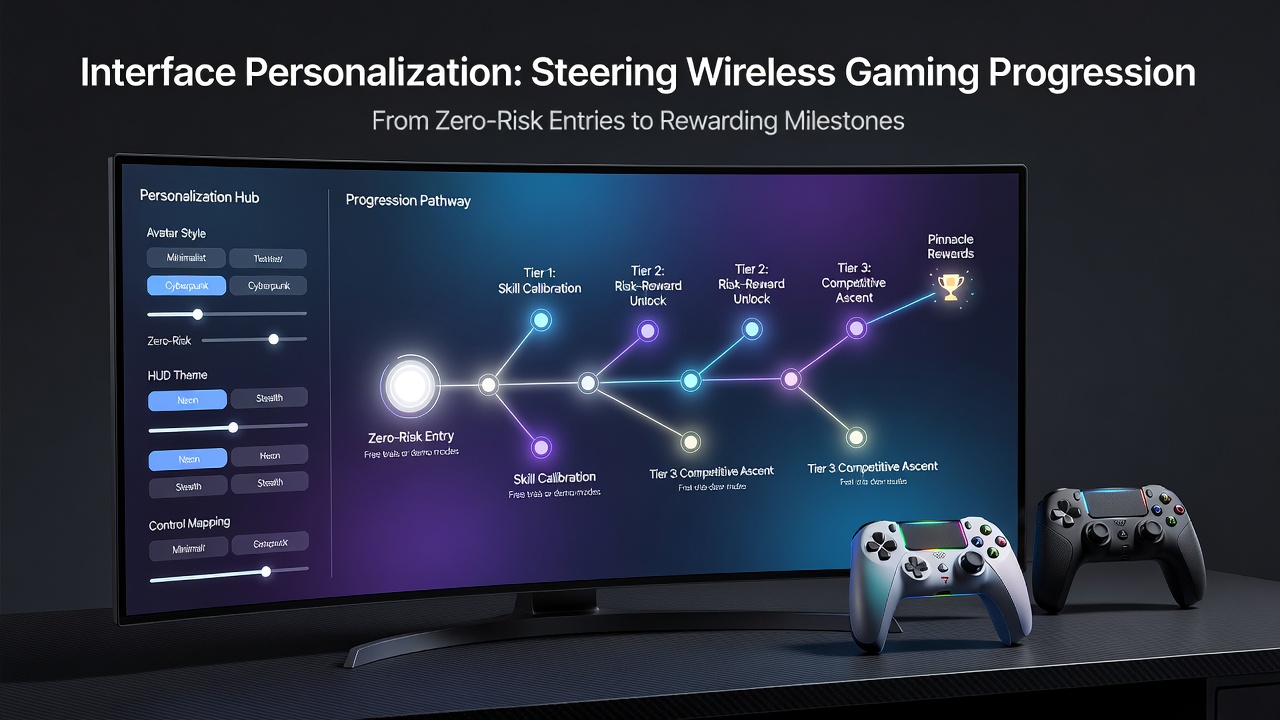
Pathways to Premium Table Experiences in November 2026
By November 2026, wireless gaming platforms had expanded personalization layers to include predictive elements that forecast user readiness for premium table access based on accumulated play patterns and transaction history. Interfaces now surface exclusive live dealer environments alongside customized reward structures once certain thresholds are met, and these displays integrate with varied funding solutions to facilitate direct entry. Reports from the European Gaming and Betting Association indicate that such adaptive designs have supported measurable increases in table game participation rates across mobile users, especially when personalization accounts for regional preferences in transaction types like regional e-wallets or instant bank links. Those who have examined app analytics note that the sequencing of these features maintains continuity from initial zero-risk activities through intermediate skill-building sessions and into high-tier table offerings without abrupt changes in user experience.
Conclusion
Interface personalization in wireless gaming apps operates through data-driven adjustments that sequence user exposure from zero-risk starting points to premium table environments while accommodating multiple transaction methods throughout the process. Evidence gathered from regulatory and academic sources demonstrates consistent patterns in how these systems influence progression metrics across platforms, and ongoing developments through late 2026 continue to refine these mechanisms in response to evolving user behaviors and payment landscapes. The factual integration of these elements supports structured advancement pathways that rely on observed interaction data rather than static designs.