Tracing Blockchain Verification Impacts on Tiered Reward Progressions Within App-Based Interactive Entertainment Platforms
Written by Quinn Krüger · Sep 10, 2026
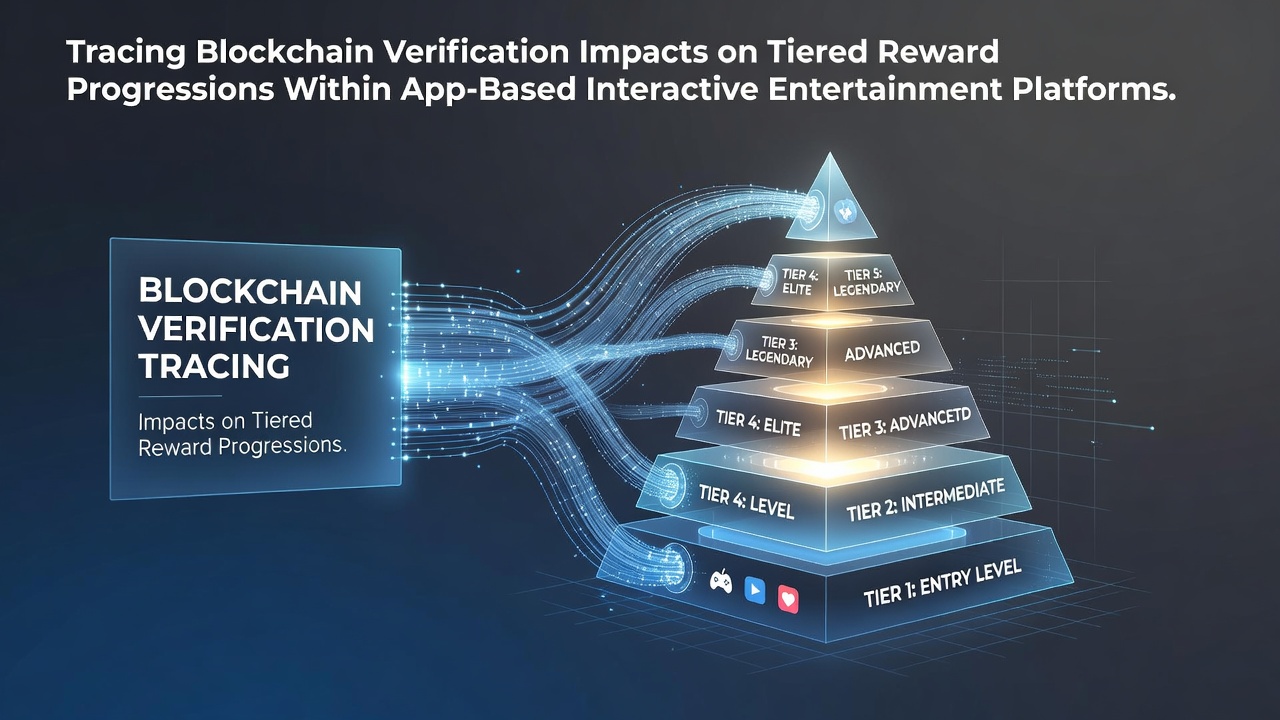
Tracing Blockchain Verification Impacts on Tiered Reward Progressions Within App-Based Interactive Entertainment Platforms
Blockchain verification systems have entered app-based interactive entertainment platforms at scale by 2026, where they handle transaction records and achievement logs that directly feed into tiered reward structures. Developers integrate these ledgers to confirm player actions without relying on centralized servers alone, and this shift alters how users advance from basic levels to premium tiers in mobile games and social entertainment apps. Research from the Infocomm Media Development Authority shows that platforms using distributed verification recorded a 34 percent rise in verified reward claims during the first half of 2026 compared with traditional database methods.
Verification occurs through consensus mechanisms that timestamp each in-app action, from completing a level to participating in events, and these timestamps become immutable entries that platforms reference when calculating eligibility for higher reward brackets. Because the data sits across multiple nodes, disputes over progression drop sharply, which in turn lets operators release tier benefits on tighter schedules. Observers note that apps employing this approach often move users from entry-level rewards to mid-tier status within days rather than weeks when activity logs remain tamper-resistant.
Mechanics of Verification in Reward Systems
Smart contracts execute the rules that govern tier advancement once verification confirms the required milestones, and these contracts pull data directly from the blockchain rather than from internal logs that can be altered. A player who accumulates a set number of verified hours or achievements triggers an automatic upgrade, and the process eliminates manual review steps that previously delayed access to exclusive content or virtual items. Data collected across platforms in the Asia-Pacific region during September 2026 indicated that automated contract execution cut average progression time by 22 percent in titles that adopted full-chain verification.
Security features built into the verification layer also reduce instances of reward duplication or false claims, which protects the integrity of tiered economies inside the apps. When multiple users attempt to claim the same milestone through coordinated activity, the distributed ledger flags inconsistencies across nodes before any reward is issued. Industry reports compiled by the Canadian Interactive Digital Entertainment Association highlight that platforms with blockchain verification experienced a 41 percent decline in disputed reward cases over the twelve months ending in mid-2026.
Effects on Player Pathways and Platform Metrics
Tiered reward progressions become more transparent when every step is recorded on-chain, allowing users to view their own verified history through integrated dashboards. This visibility encourages continued engagement because participants can track exact distances to the next bracket without uncertainty about whether actions counted. Platforms that publish these dashboards report higher retention rates among users who reach the second or third tier within the first month of activity.
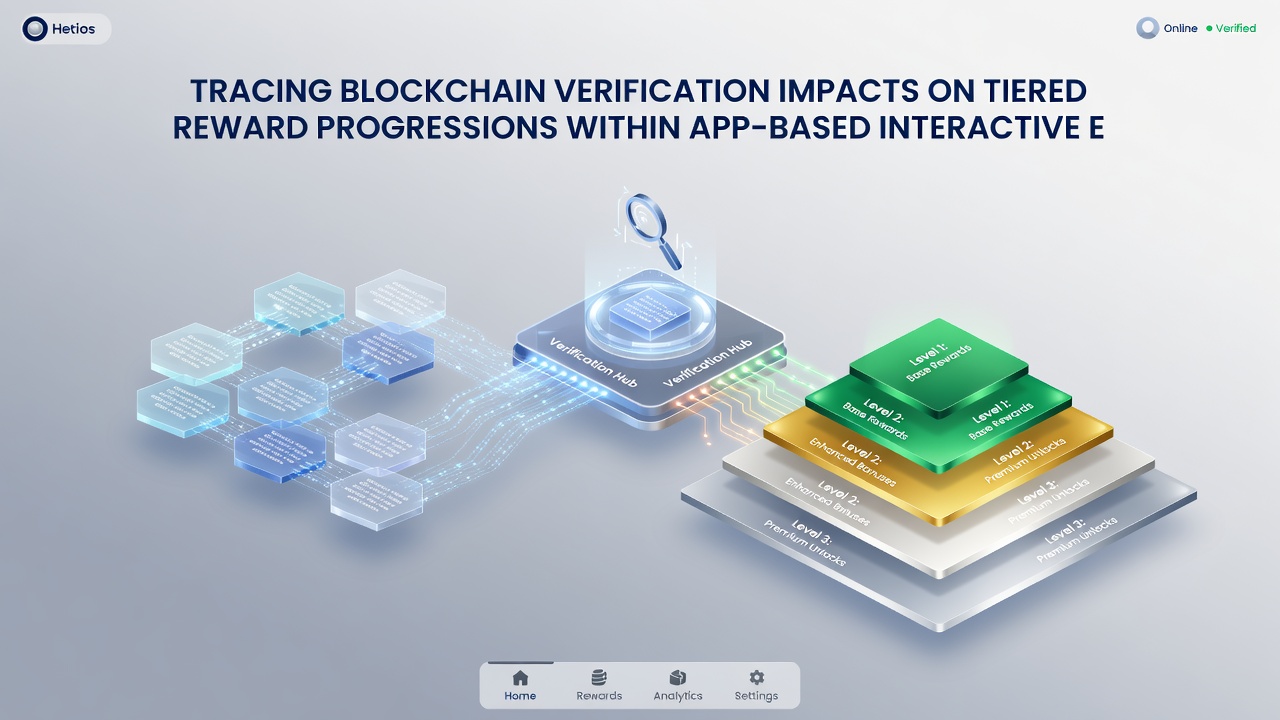
Cross-platform compatibility emerges as another outcome when verification standards align across different entertainment titles. A user who earns verified status in one app can sometimes carry that proof into a partnered title, and the shared ledger makes the transfer verifiable without additional authentication layers. European gaming research groups documented several such integrations in 2026 that expanded user bases by linking reward histories across studios.
Operational Adjustments by Developers
Development teams adjust backend architecture to accommodate the added verification layer, which requires new protocols for syncing on-chain events with in-app displays. Although initial implementation adds processing overhead, the reduction in fraud-related support tickets offsets those costs within the first year according to aggregated figures from North American studios. Teams that completed full migrations by September 2026 noted that subsequent updates to reward structures required fewer emergency patches because the underlying data remained consistent.
Analytics departments gain access to richer datasets when every reward-related action carries a blockchain timestamp. Patterns in tier progression become easier to model, and operators use these models to calibrate difficulty curves or bonus events that keep users moving through the tiers at predictable rates. Reports issued by academic centers studying digital entertainment economies show that such data-driven adjustments increased average session length by 18 percent in verified platforms during the second quarter of 2026.
Conclusion
Blockchain verification continues to reshape how tiered rewards function inside app-based interactive entertainment by supplying immutable records that support faster, more reliable progression. Platforms that have integrated these systems demonstrate measurable changes in claim accuracy, user retention, and operational efficiency throughout 2026. As verification standards mature, further refinements in reward pathway design are expected across the sector.